
A workplace should be a place where people feel respected and safe, but sometimes hidden hostility can exist behind friendly conversations and professional appearances.
The most disturbing situations are often the ones that begin with small behaviors that are easy to dismiss until a much bigger truth comes to light.
That is what happened to this user, a Moroccan woman working for a large company in the US.
After noticing strange behavior from a coworker, she never imagined the situation would become something far more serious.
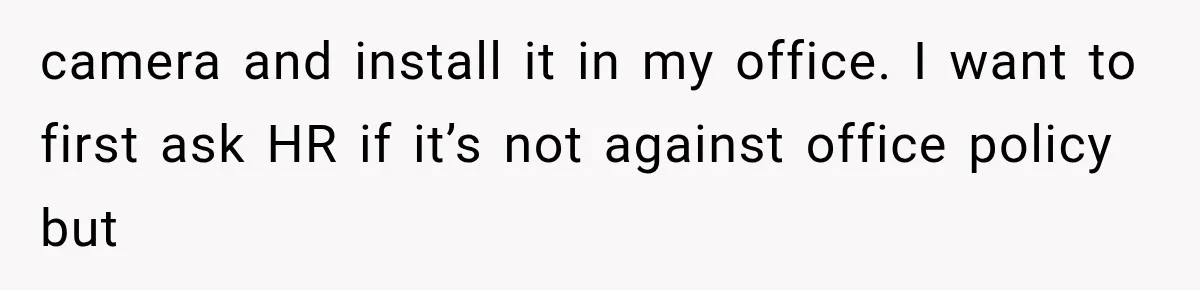
A conversation with a newer colleague revealed disturbing claims, leading her to take a step she knew might raise questions: installing a hidden camera in her office.
Scroll down to discover what the footage revealed and how the situation unfolded.
Woman discovers coworkers secretly targeted her, leading to a shocking workplace betrayal




















































































































 The Bitter Truth Beneath the Surface: How a Light Switch Sparked an All-Out Family War














Everyone deserves to feel safe in the place where they earn a living.
When that sense of safety is violated, the damage extends far beyond embarrassment or anger.
It changes how a person walks into work, whom they trust, and whether they feel they belong.
Workplace harassment is rarely just about one offensive act, it is about the loss of security in an environment where people should be treated with dignity.
At the center of this story is not a hidden camera but a woman gradually discovering that she had become the target of sustained humiliation.
It began with unwanted comments, racialized nicknames, and false claims about her religion that quietly poisoned how a new colleague viewed her.
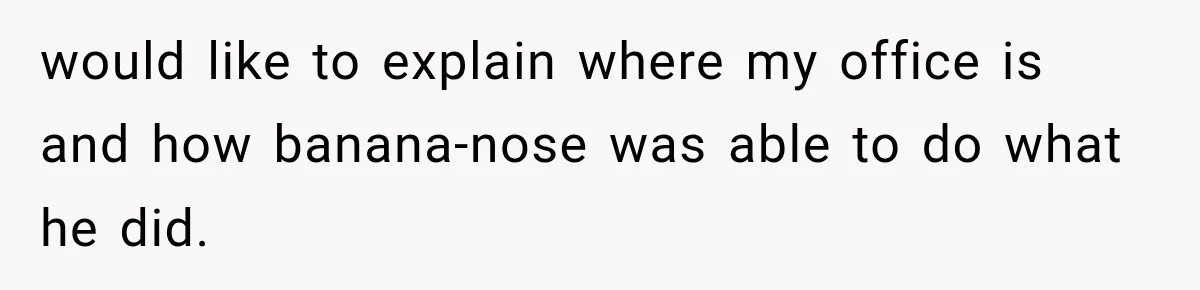
Then came the allegation that a coworker was entering her office while she worked from home. What ultimately unfolded was far more disturbing than she imagined.
The alleged acts were intentionally degrading, but perhaps the deepest betrayal came from learning that several coworkers watched, laughed, and even recorded the behavior.
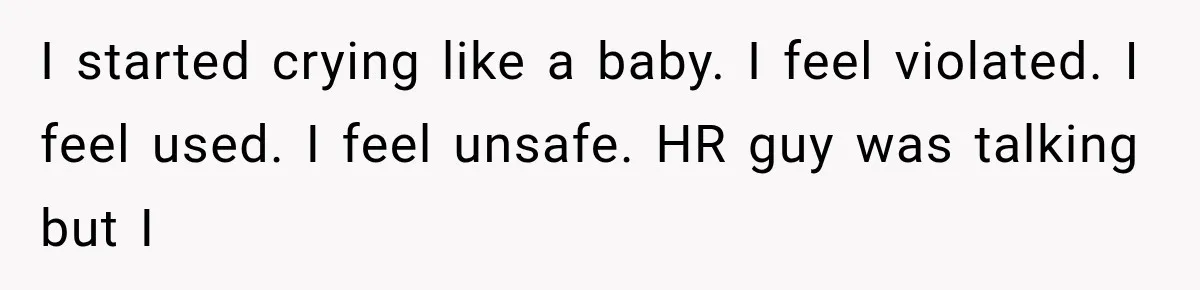
Her emotional reaction, crying, feeling unsafe, questioning whether her home or car had also been violated, is consistent with someone whose basic sense of trust has suddenly collapsed.
Trauma often begins when the world no longer feels predictable.
An important perspective is that toxic workplace behavior is rarely sustained by one individual acting alone.
Research on group psychology shows that misconduct becomes more extreme when people normalize it together.
Individuals who might never commit an act independently sometimes participate because they believe the group’s approval protects them from accountability.
That helps explain why several coworkers allegedly stood by instead of intervening.
This does not lessen their personal responsibility; it illustrates how workplace cultures can quietly evolve into environments where cruelty is mistaken for humor and silence becomes a form of participation.
Equally significant is the role of the new colleague, who chose to challenge that culture by telling the truth despite the personal risk.
Healthy workplace cultures often begin with one person refusing to stay silent.
Viewed through that lens, the poster’s actions were not driven by revenge but by a desire to restore control after feeling profoundly violated.
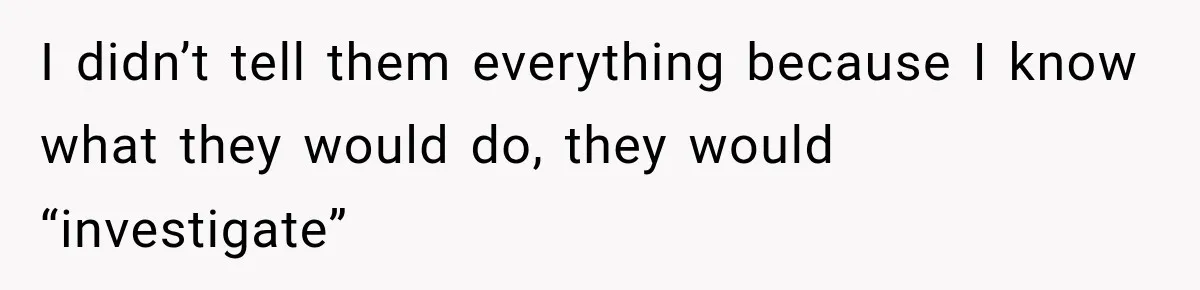
Seeking HR approval before installing a camera, documenting the misconduct, requesting accountability, and ultimately accepting a transfer all reflect attempts to rebuild safety rather than escalate conflict.
Choosing not to pursue prolonged legal action also illustrates that healing looks different for everyone. For some, justice means winning in court.
For others, it means leaving a toxic environment without allowing it to define the rest of their lives.
The lasting lesson is that professionalism is measured not only by how people perform their jobs but by how they treat those around them.
Respect, inclusion, and basic human decency are not optional workplace values.
They are the foundation of trust, and once that foundation is deliberately broken, rebuilding it requires more than apologies, it requires accountability, meaningful action, and a culture where dignity is protected rather than mocked.
See what others had to share with OP:
These Redditors urged reporting the harassment and retaliation to HR


























This group advised gathering solid evidence while protecting company information









































These users cheered petty revenge against the coworker’s disgusting behavior












What began as a strange workplace rumor ended with a shocking betrayal that left the poster questioning not just one coworker, but an entire team she thought she could trust.
Many readers applauded her for documenting the misconduct instead of confronting anyone without evidence, while others felt the company’s response ultimately prevented an even bigger disaster.
What do you think? Was walking away from the company the healthiest decision, or would you have pursued legal action against everyone involved? Share your thoughts in the comments below.