
Family relationships can be complicated, but some wounds run much deeper than a simple disagreement.
When someone who was supposed to protect you disappears, hurts you, and refuses to take responsibility, reconnecting years later is not always as easy as saying “that’s still your parent.”
Blood may create a connection, but it does not automatically repair the damage caused over time.
That is the painful situation this Reddit user is facing.
After years of feeling abandoned and mistreated by her father, she received an unexpected message from him wanting to rebuild their relationship.
The problem is that the memories she carries are not just about absence, but about years of emotional harm and one traumatic final encounter.
Scroll down to read why she is questioning whether protecting her own peace makes her the wrong person.
Daughter who was abandoned by her father struggles when he returns seeking forgiveness







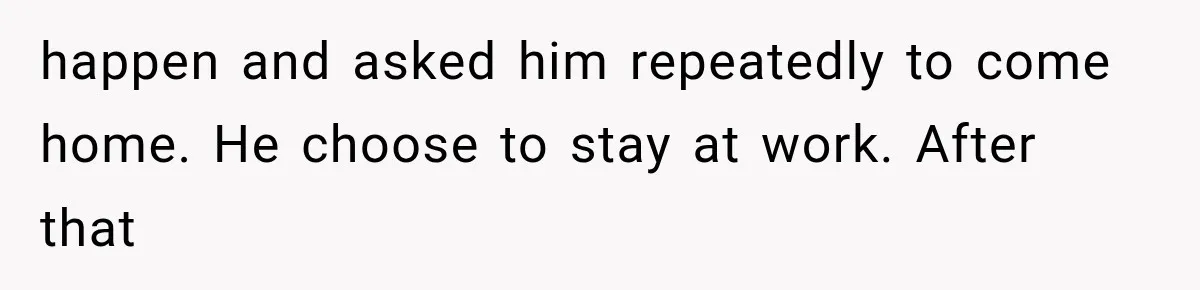

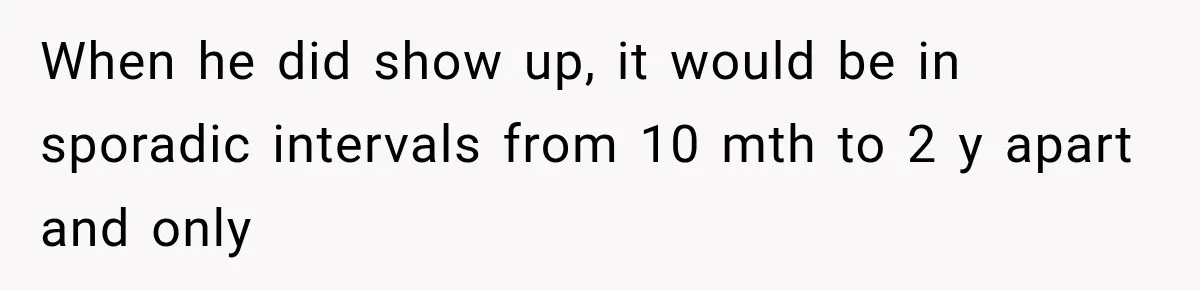
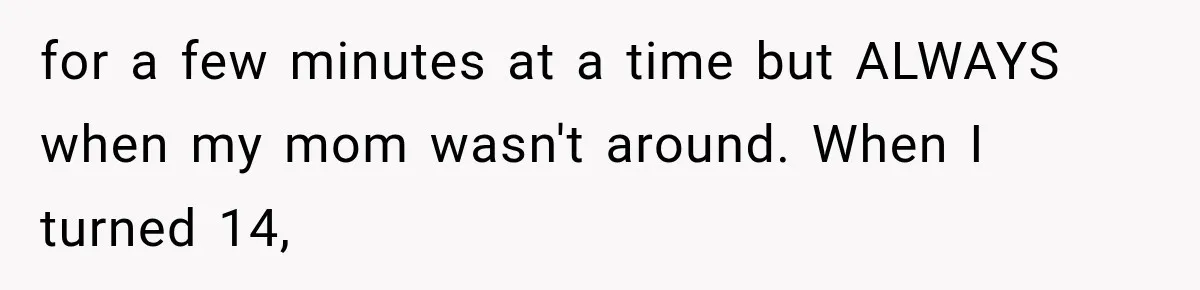



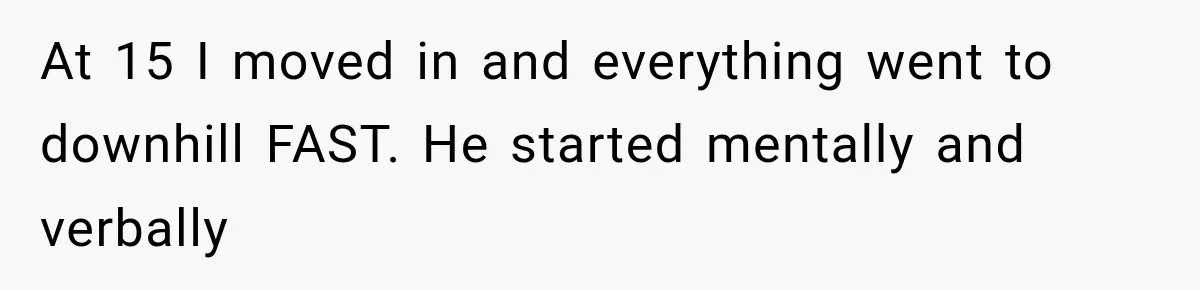
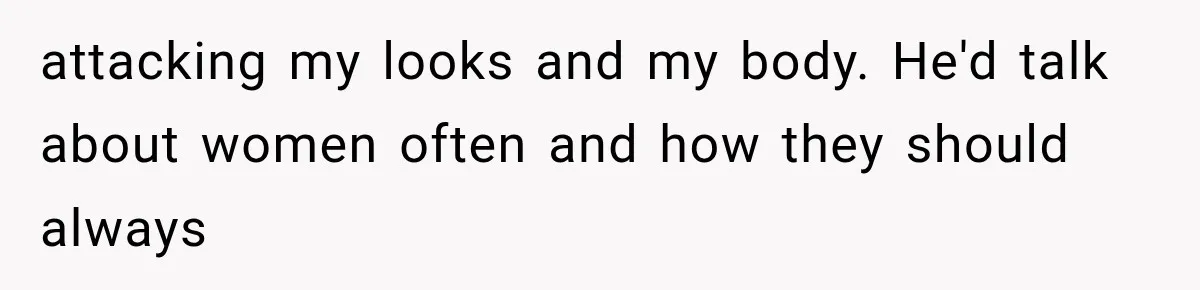
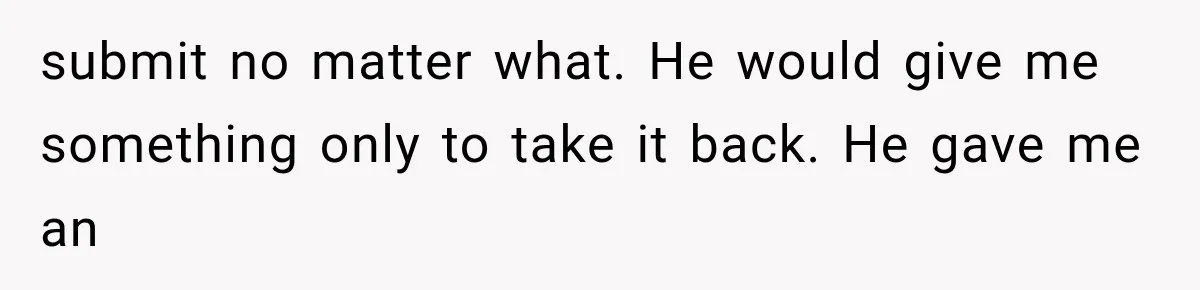


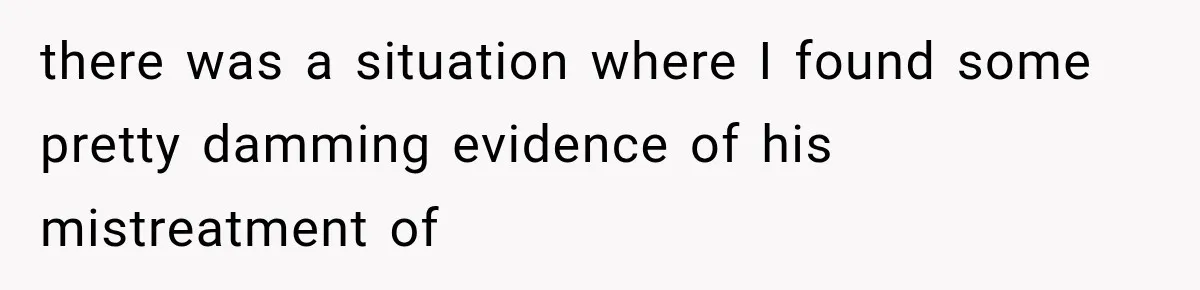


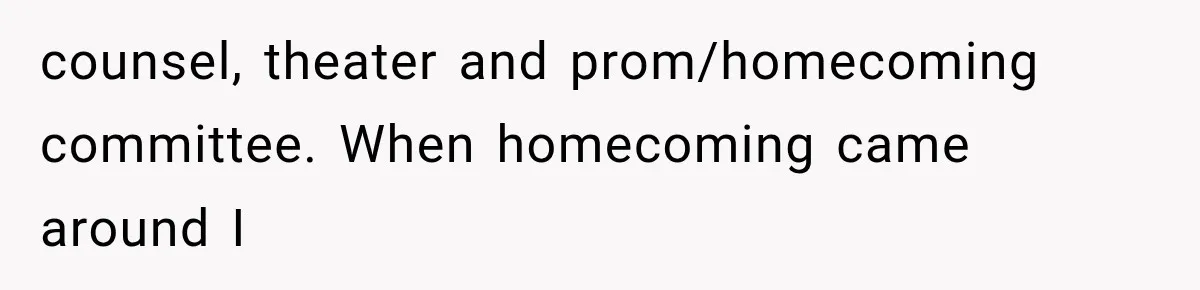
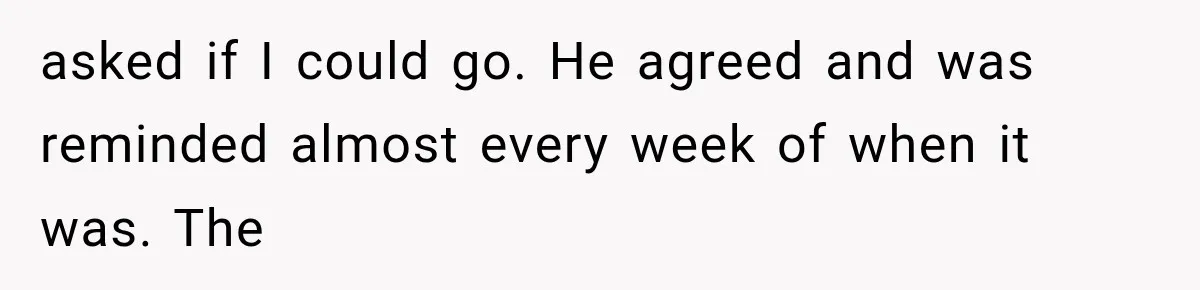
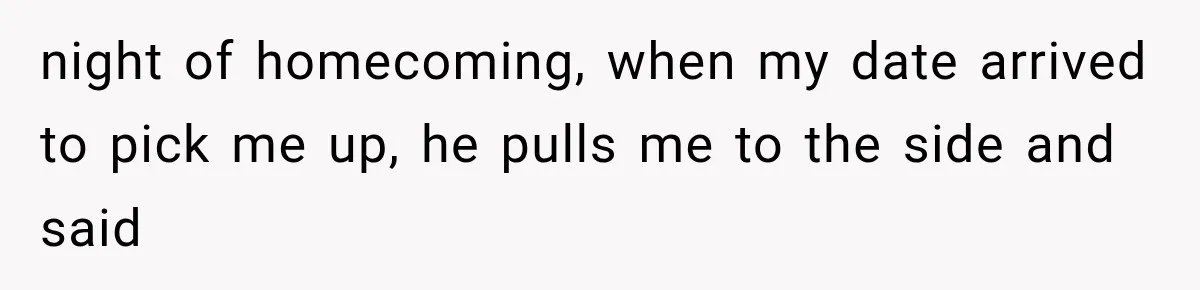


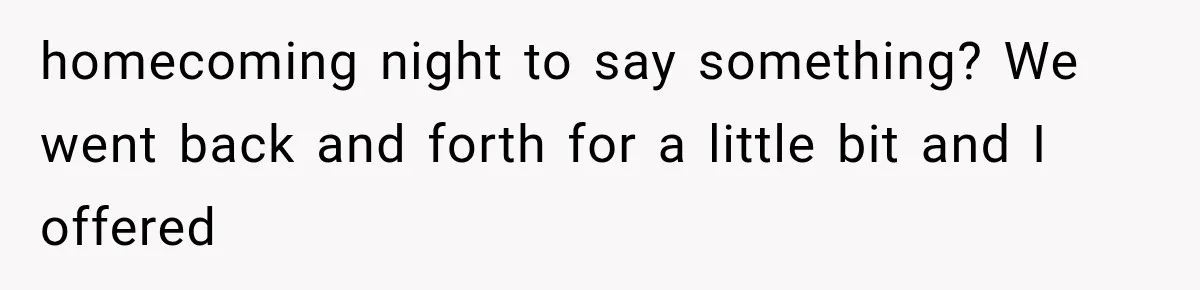


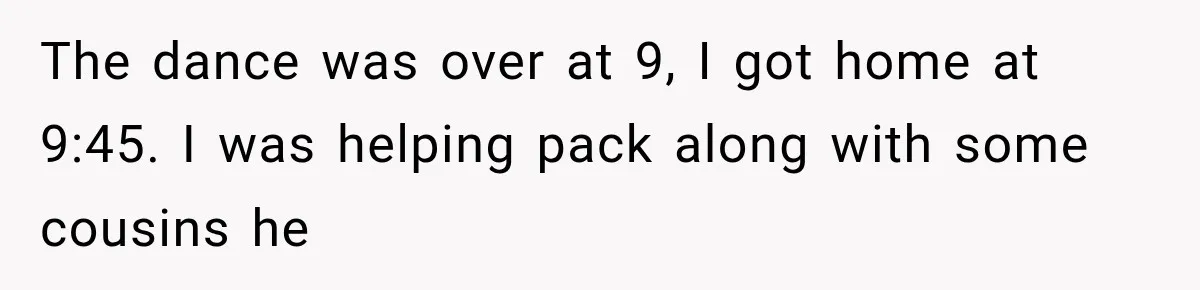

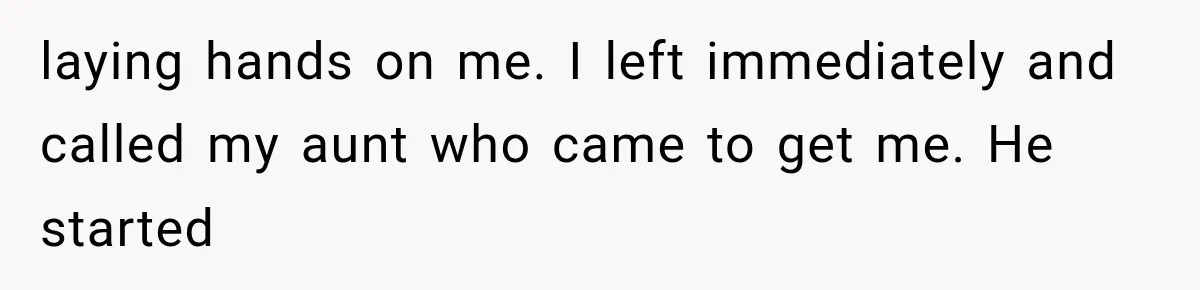
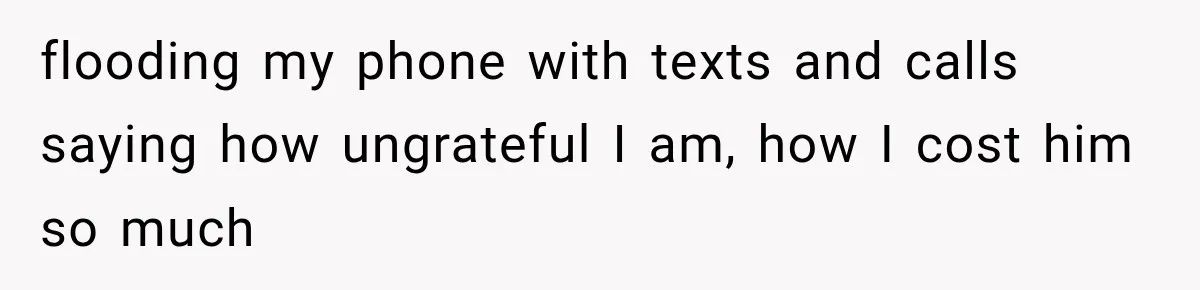

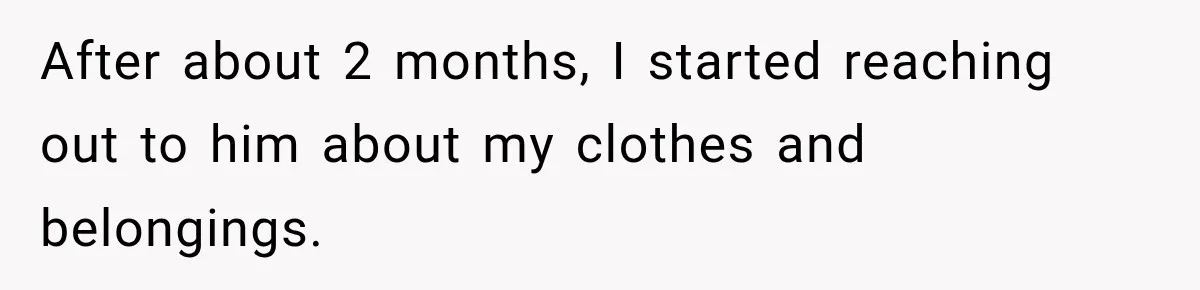
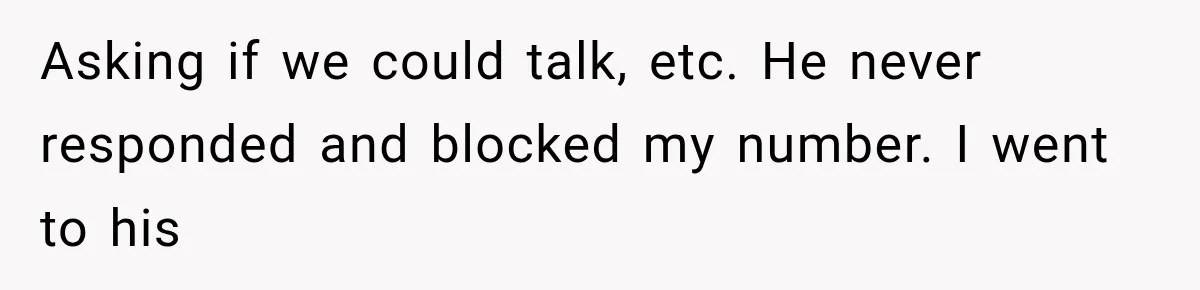





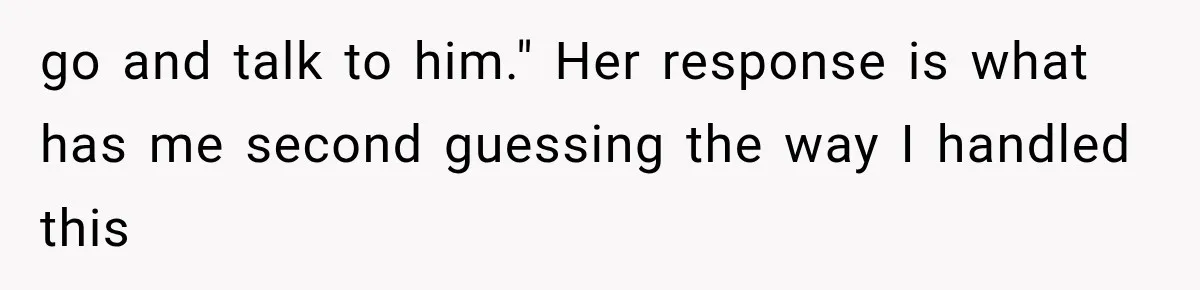
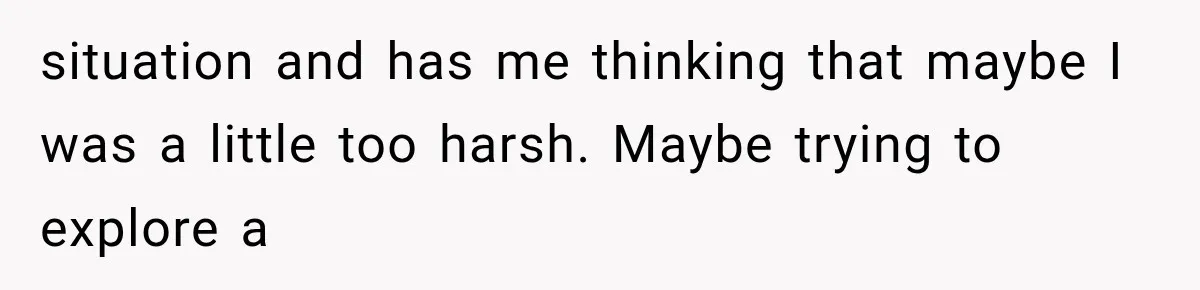

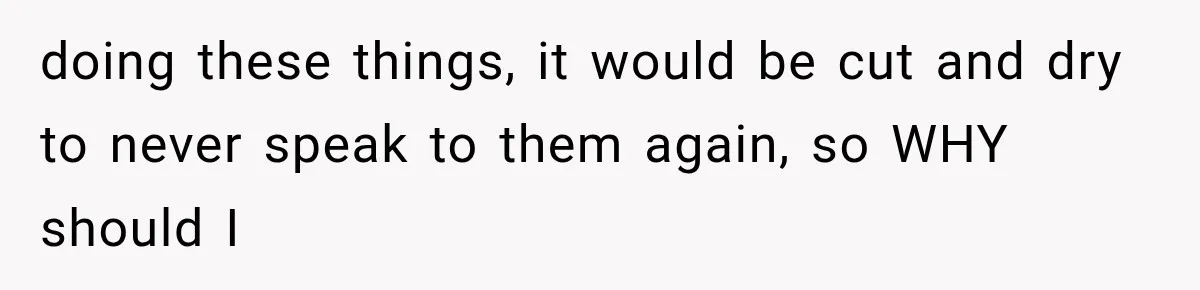
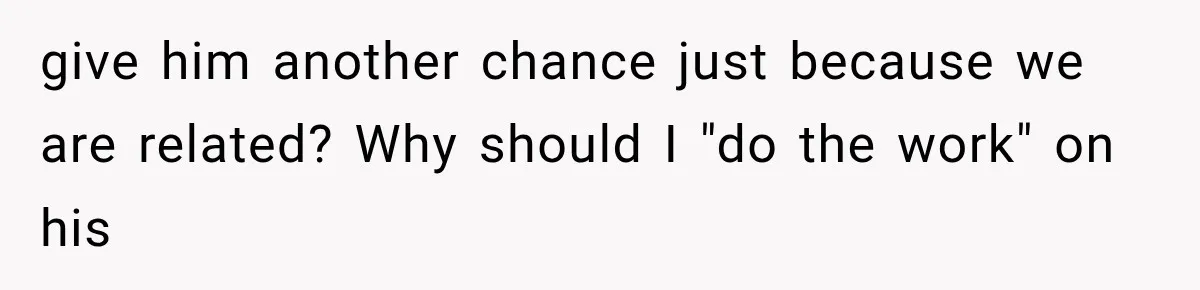

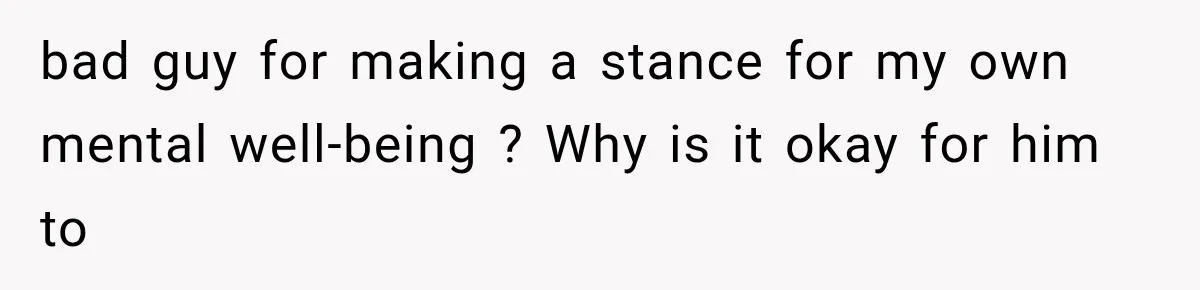
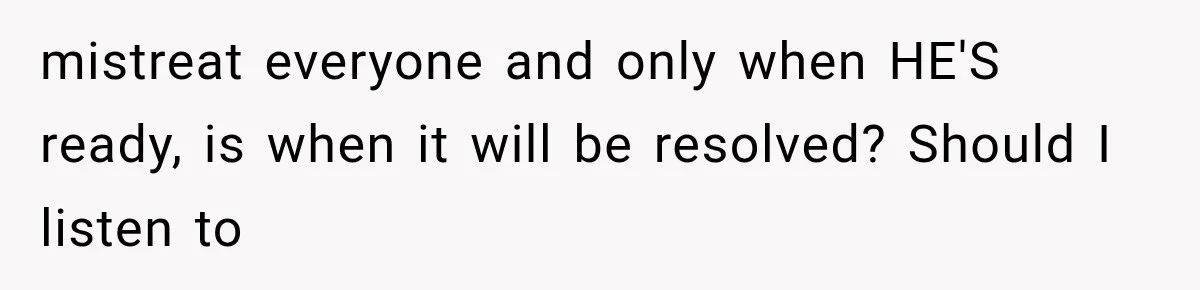

One of the hardest truths about family is that biology alone cannot repair years of emotional absence.
Many people grow up believing that parents deserve unlimited chances simply because they are parents.
Yet lasting trust is not inherited. It is built through consistent care, accountability, and emotional safety.
When those things are missing, reconnecting can feel less like healing and more like reopening an old wound.
In this story, the daughter was not rejecting a single invitation from her father.
She was responding to a lifetime of abandonment, emotional abuse, and broken trust.

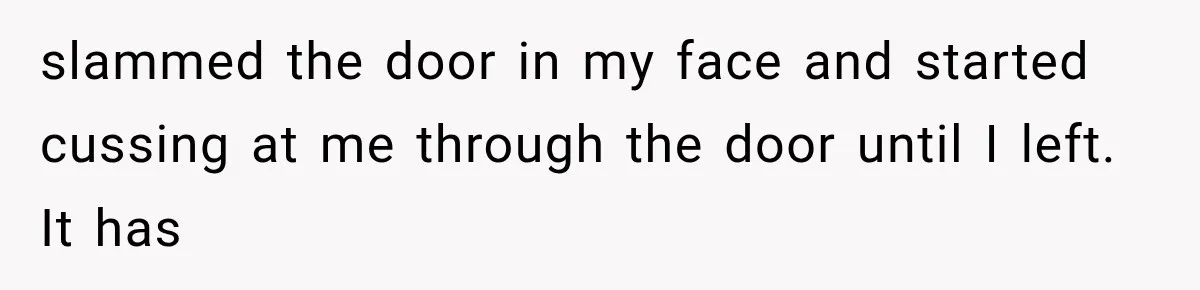
As a child, she experienced repeated disappearances, criticism, manipulation, and eventually physical violence.
Even after leaving his home, she made genuine attempts to reconnect by asking for her belongings and trying to talk, only to be ignored, blocked, and literally shut out at his front door.
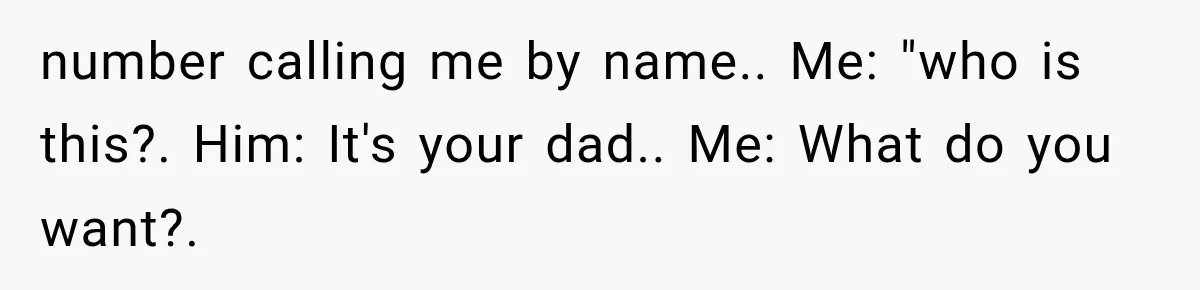
Twelve years later, his message arrived not with an acknowledgment of that history or an apology, but with a request to resume the relationship.
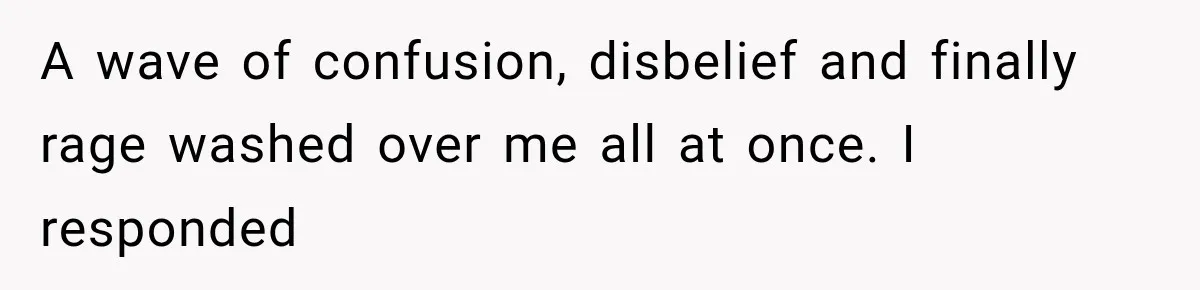
It is understandable that those few words triggered confusion, anger, and grief all at once.
When someone has spent years protecting themselves from harm, self-preservation often looks like rejection to the person who caused the pain.
An important perspective is that forgiveness and reconciliation are not the same thing.
Many families unintentionally blur the distinction, encouraging adult children to “let it go” in the hope that peace will follow.
Psychologically, however, forgiveness is an internal process that may help someone release resentment for their own well-being.
Reconciliation is different because it requires the other person to demonstrate accountability, empathy, and sustained change.
Without those elements, reopening the relationship can simply recreate the same unhealthy dynamic.
The father’s statement that the relationship was “on life support” also subtly shifted responsibility onto his daughter, implying that both of them needed to “do the work,” despite the profound imbalance in their past actions.
Viewed through that lens, the daughter’s response was less about punishing her father and more about protecting herself.
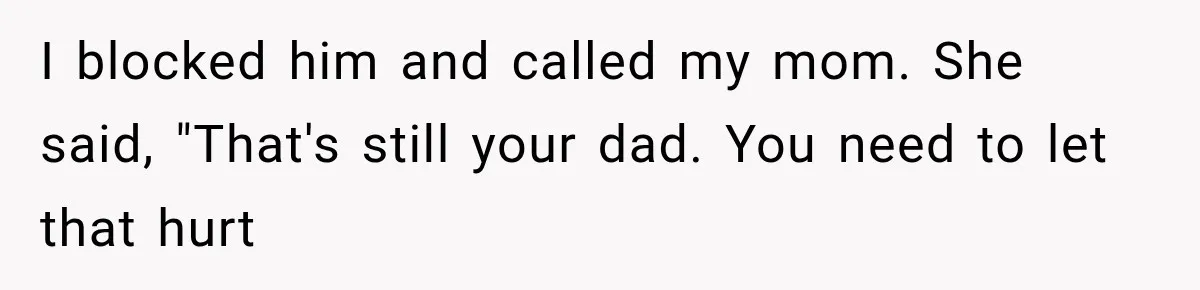
Blocking his number did not erase the possibility of change; it simply acknowledged that he had not yet shown the kind of accountability that makes change believable.
Her mother’s advice likely reflects a generation that values preserving family ties, but preserving a relationship should never come at the expense of someone’s emotional safety.
Compassion for a parent and firm boundaries can exist at the same time.
Perhaps the most meaningful takeaway is that second chances are gifts, not obligations.
A parent who truly wants to rebuild a relationship begins by recognizing the pain they caused, accepting responsibility without excuses, and respecting whatever pace the other person needs.
Sometimes the healthiest choice is not asking whether someone deserves another chance, but whether reconnecting would genuinely make your life safer, healthier, and more peaceful.
Here’s the feedback from the Reddit community:
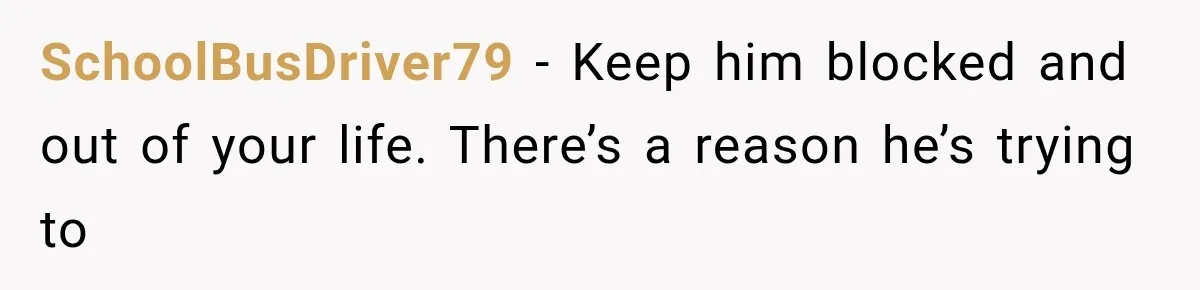
These Redditors suspected the father returned because he wanted money, shelter, or help
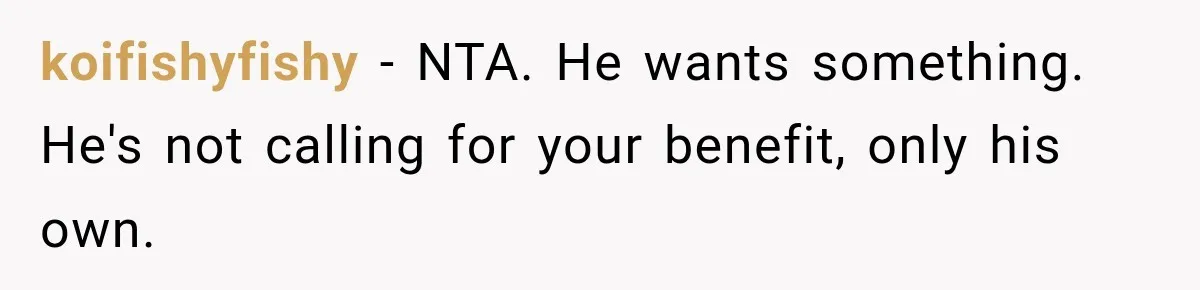

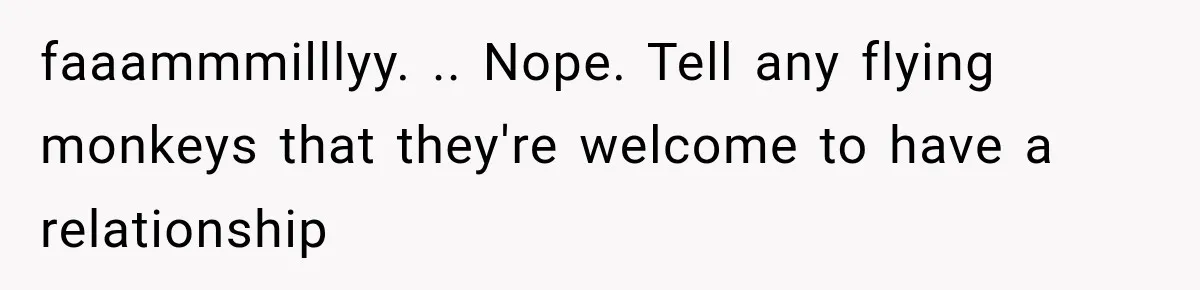

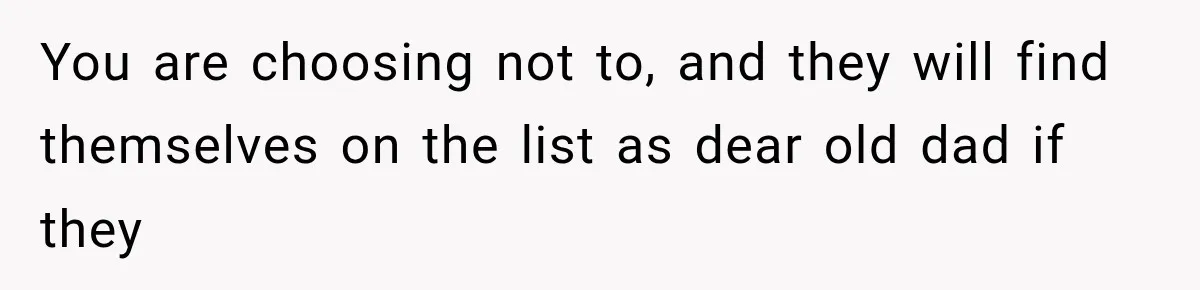

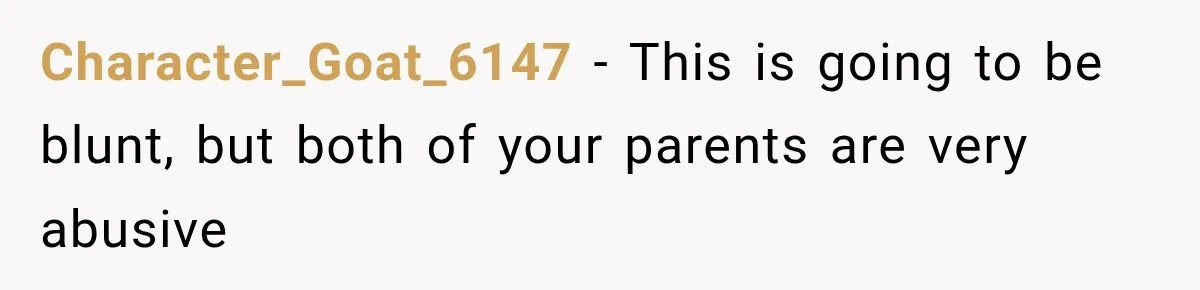

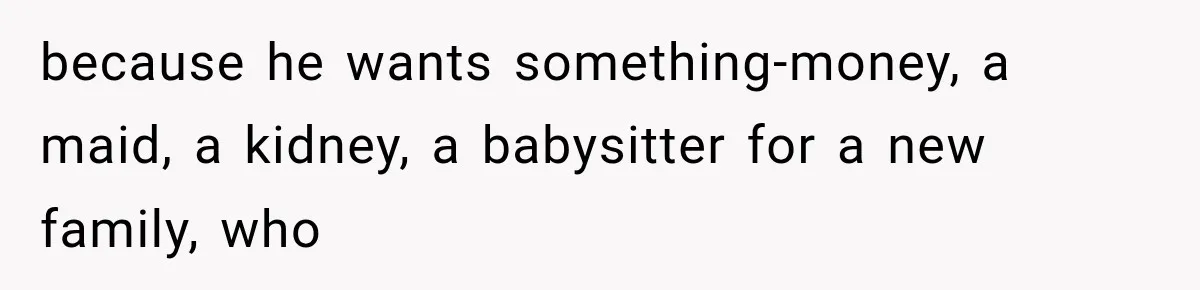






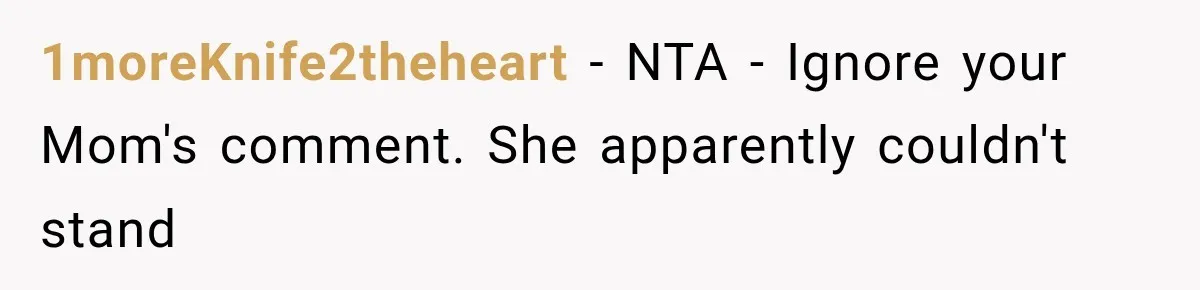




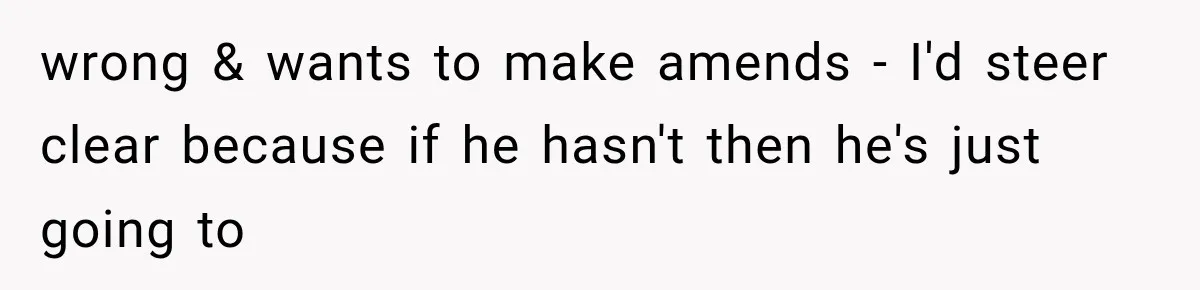


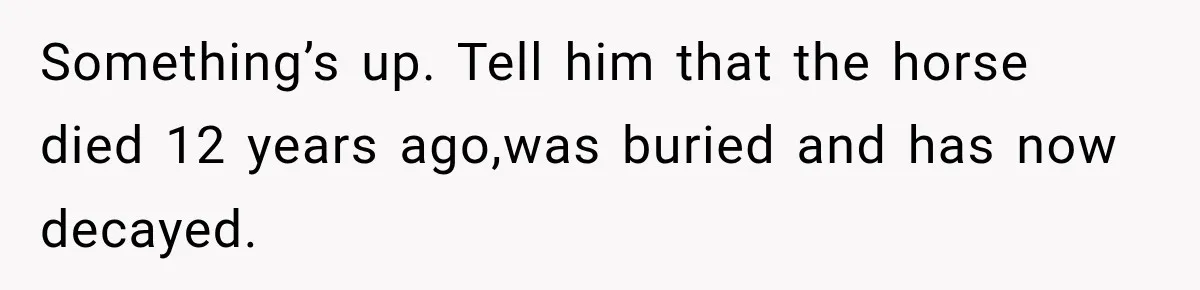


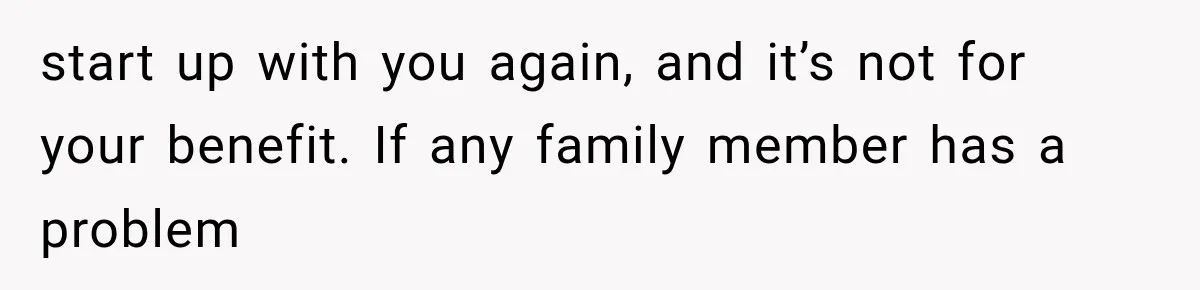
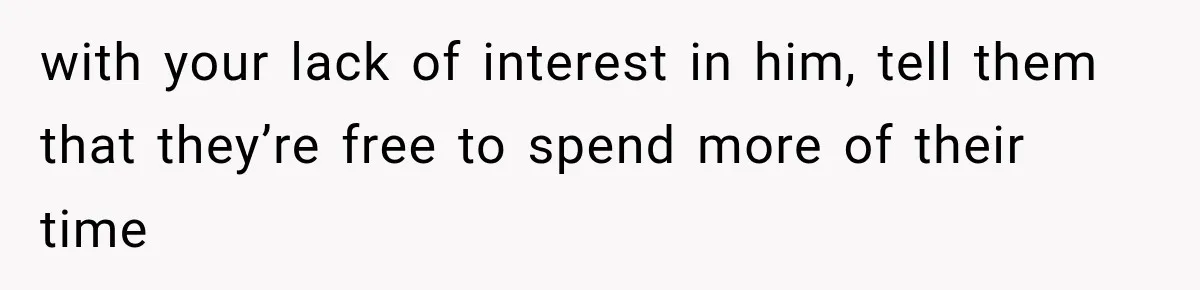
This group urged the poster to keep him blocked and protect their peace
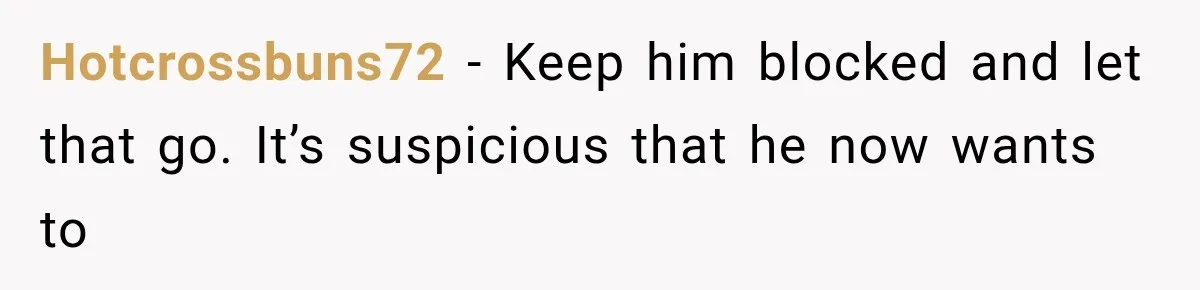
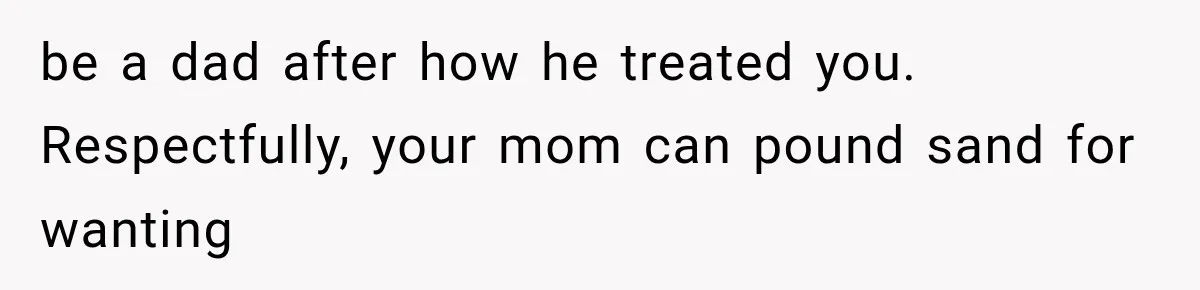







Sometimes the hardest decision isn’t whether to forgive someone, it’s whether they’ve earned another chance to be part of your life.
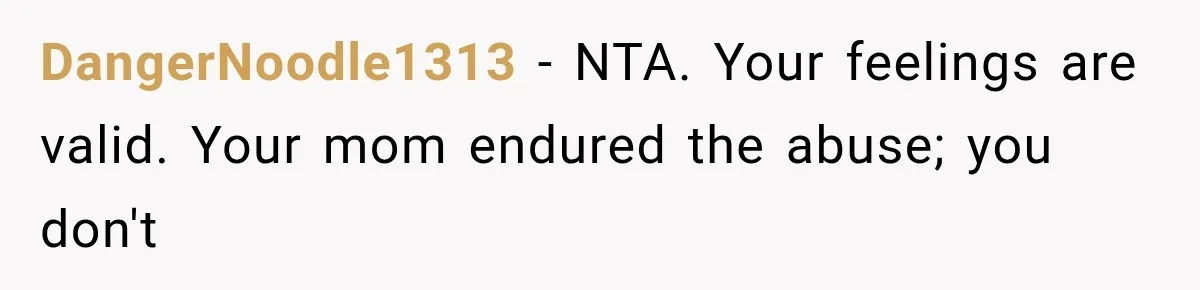
Many readers felt the poster owed nothing to a father who repeatedly abandoned, belittled, and hurt them before disappearing for more than a decade.
Others believed reconciliation is only possible if it begins with genuine accountability, not vague promises.
What do you think? Was blocking him the healthiest choice, or would you have at least heard him out? Share your thoughts in the comments below.