
Some confessions are so painful that people create anonymous accounts just to say them out loud.
Not because they expect sympathy, but because carrying the secret alone has become too heavy.
When the truth involves your own family, finding someone safe to talk to can feel almost impossible.
This woman admits she has reached a heartbreaking point in her relationship with her teenage son after years of feeling rejected, disrespected, and emotionally exhausted.
While her youngest child brings her joy with every hug and conversation, her oldest has become a source of constant tension, leaving her overwhelmed with guilt over how her feelings have changed.
She has told no one, fearing even her husband would judge her.
Scroll down to discover the full story and see how readers responded.
Mother quietly struggles with feelings she never expected to have
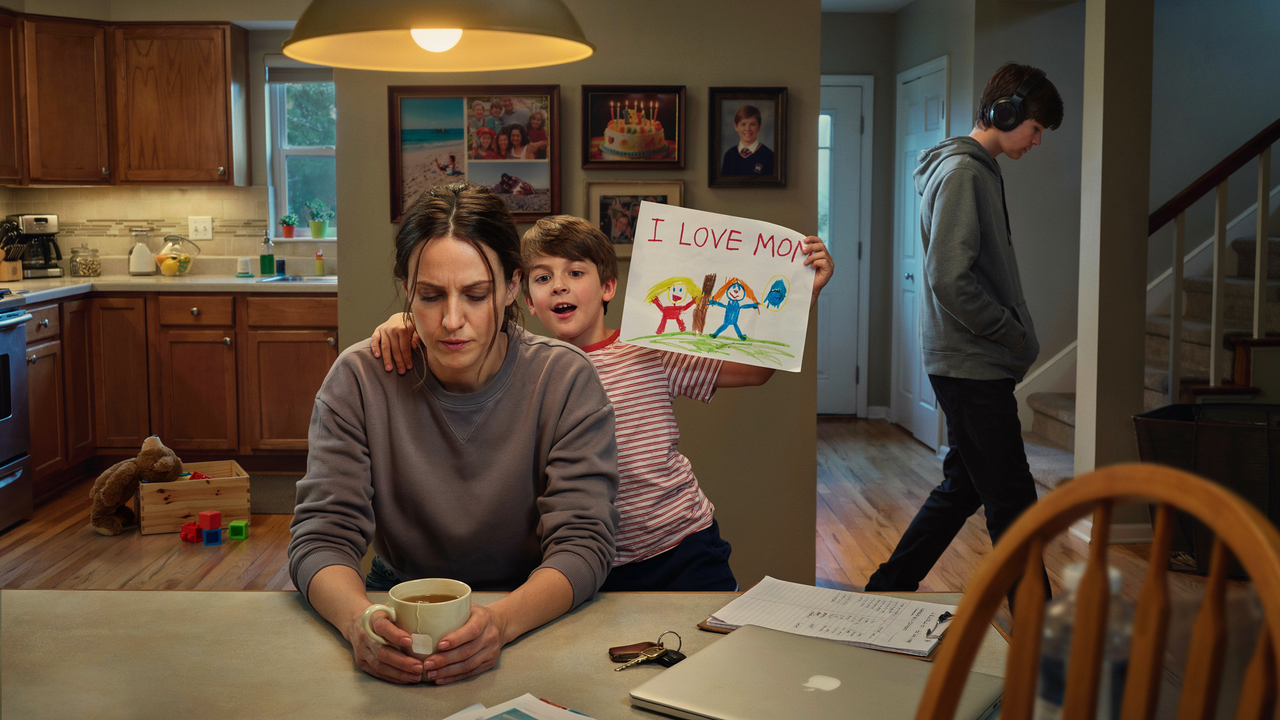




![I \[36F\] have two kids. My oldest son is 14 and my youngest is 7.](https://talesofamerica.com/wp-content/uploads/2026/07/1784269461_570_Mom-Admits-She-Loves-Her-Youngest-More-Then-Confesses-Why.webp "Mom Admits She Loves Her Youngest More, Then Confesses Why Her Oldest Pushes Her Away")






















Many parents imagine that love will always feel effortless, but real family life often challenges that belief.
Children grow into unique people with different personalities, needs, and ways of connecting.
When those differences become constant sources of conflict, some parents quietly begin grieving the relationship they thought they would have.
That grief can bring guilt, loneliness, and even fear of admitting thoughts they believe no loving parent should ever have.
In this story, the mother wasn’t simply comparing her two sons.
She was mourning years of emotional distance with her oldest while experiencing the warmth and affection she had always longed for through her youngest.
Her oldest son’s autism diagnosis, combined with adolescence, created communication barriers that left her feeling rejected again and again.
Every refused hug, every harsh word, and every conflict slowly chipped away at the emotional bond she desperately wanted to preserve.
At the same time, her younger son naturally expressed affection in ways that made parenting feel rewarding rather than exhausting.
Her confession is less about choosing one child over another than about acknowledging emotional burnout after years of feeling unloved.
Many readers immediately judge the mother for admitting she prefers one child, but another perspective is worth considering.
Parents are human beings whose emotional needs don’t disappear simply because they have children.
When a parent spends years giving affection that feels consistently rejected, the relationship can begin to resemble caregiver fatigue rather than ordinary parenting stress.
This doesn’t necessarily mean love has disappeared.
Instead, the emotional experience of love has become buried beneath disappointment, resentment, and grief.
Meanwhile, the younger child unintentionally provides emotional reciprocity, creating a powerful contrast that makes the older relationship feel even more painful.
Viewed through that lens, the mother’s confession sounds less like a declaration of failure and more like an expression of accumulated emotional exhaustion.
Her oldest son’s words and behaviors may genuinely wound her, while his neurological differences could also make it difficult for him to express affection in ways she instinctively recognizes.
Neither reality cancels out the other.
Both mother and son may be experiencing the same relationship as painful for entirely different reasons, each feeling misunderstood by the other.
Perhaps the most important lesson is that difficult emotions are not the same as permanent truths.
Feeling closer to one child during a painful season does not mean a parent is incapable of rebuilding another relationship.
With appropriate support, realistic expectations, and a deeper understanding of how different children express connection, even relationships marked by years of hurt can gradually develop into something healthier, even if they never resemble the ideal either person once imagined.
See what others had to share with OP:
These Redditors reassured the parent that difficult feelings can happen

















































































These commenters urged the parent to better understand autism through therapy, education, and support











































































This confession resonated with many readers because it explores a feeling few parents are willing to admit out loud.
Loving a child and enjoying the relationship with that child aren’t always the same thing, especially when years of conflict, rejection, and emotional exhaustion take their toll.
While many sympathized with the mother’s burnout, others worried that comparing her sons could deepen the divide if left unaddressed.
Do you think her feelings are an understandable response to years of struggle, or is she letting resentment overshadow her role as a parent?
What would you do in her situation? Share your thoughts below.