
Children are never responsible for the choices their parents make, yet they are often the ones who live with the consequences for years afterward.
Family wounds created by infidelity can leave lasting scars, especially when anger is directed at someone who had no say in how they came into the world.
The original poster (OP) grew up as the child of an affair and says her relationship with her older half-siblings was marked by years of resentment and cruelty.
As adults, the distance between them only grew wider, and when their father became seriously ill, the OP found herself carrying responsibilities that no one else was willing to share.
After his passing, one difficult decision surrounding the funeral reopened years of unresolved conflict.
Scroll down to read the full story.
Daughter’s final act for her father reignites years of family resentment
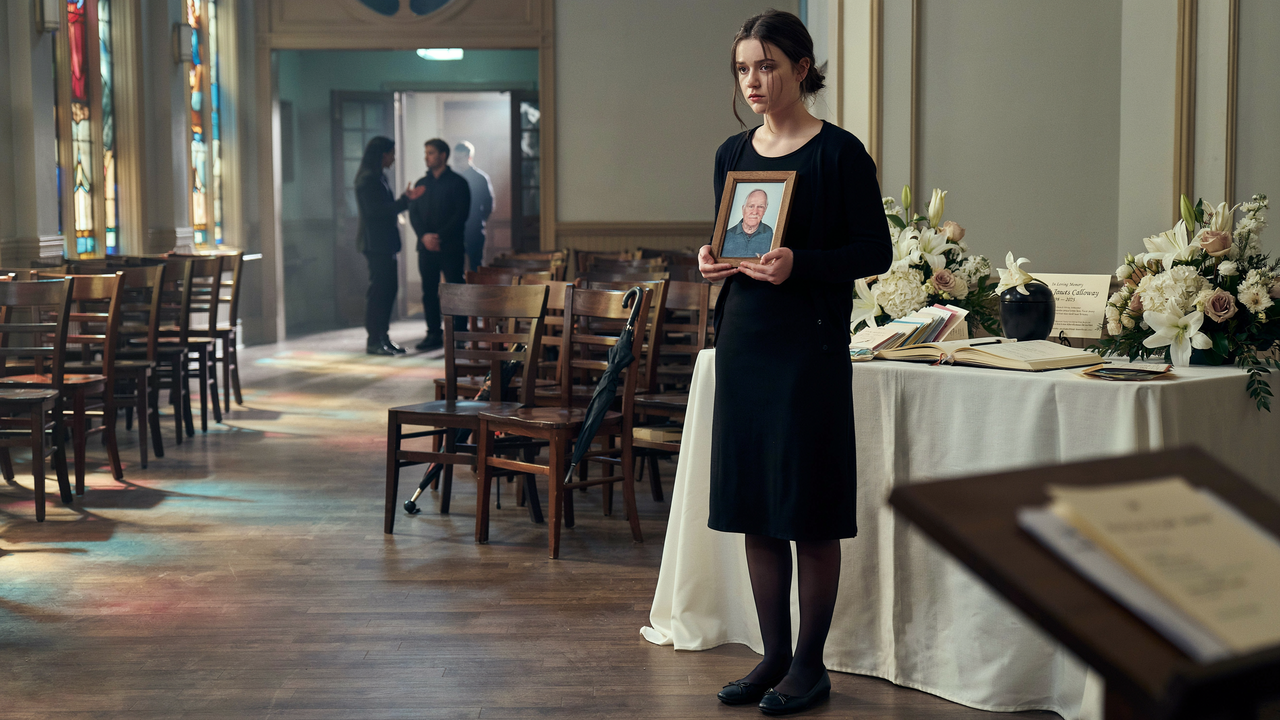



































Children do not choose the circumstances of their birth, yet they are often asked to carry the emotional consequences of decisions made by adults.
When infidelity fractures a family, the pain is real, but directing that pain toward a child who had no control over the situation rarely brings healing.
Instead, it can create wounds that last for decades, affecting relationships long after the original betrayal has passed.
At the heart of this story is not simply a dispute over a funeral invitation, it is the culmination of years of unresolved grief and resentment.
The woman grew up bearing the label of “the affair baby,” enduring bullying from her half-siblings and hostility from their mother for something entirely outside her control.
Despite therapy helping her process much of that pain, the family never truly repaired its fractures.
Years later, when their father became seriously ill, it was she who cared for him through his final chapter while his older children, despite repeated attempts from their father to reconnect, remained absent.
After notifying them of his death and receiving no response, she organized the funeral herself.
Their anger upon discovering they had not been invited reflects a painful reality: grief often resurfaces alongside regret.
Yet regret does not erase years of distance or automatically restore relationships that were deliberately abandoned.
One perspective that is often overlooked is how unresolved family trauma can become frozen in time.
The half-siblings may still see her through the eyes of hurt children whose family was torn apart by their father’s affair, making it difficult to separate the innocent child from the circumstances of her birth.
At the same time, she experienced a different kind of trauma, being blamed and rejected for existing.
Both experiences can coexist without making either person responsible for the affair itself.
However, adulthood brings a responsibility to examine those inherited narratives rather than continuing to punish someone who never made the original choices.
Viewed through that lens, the funeral was not simply a ceremony, it was the final chapter of a relationship that had effectively ended years earlier.
The daughter who remained became the caregiver, made the difficult medical decisions, and carried the emotional weight of saying goodbye.
While it is understandable that the estranged siblings now feel grief over what they lost, grief does not automatically create entitlement to decisions made by the person who stood beside their father until the end.
Whether she eventually chooses to share some of his ashes is a deeply personal decision, but it should come from her own sense of peace rather than pressure or guilt.
Sometimes honoring the person who showed up in life’s hardest moments is also a way of honoring the life that was actually lived.
Check out how the community responded:
These Redditors agreed that estrangement has consequences, so OP wasn’t obligated to invite or chase the half-siblings
 19-Year-Old Breaks Contact After Father Demands He Move Back Home To Financially Support Four Step-Siblings


























These commenters backed OP, arguing the half-siblings weren’t banned, and OP had already done enough to notify them
















These users questioned whether key details were missing before making a final judgment






In the end, this story isn’t just about a funeral, it reflects decades of hurt, resentment, and choices that shaped an entire family.
The OP spent her father’s final months caring for him when others chose to stay away, but that doesn’t erase the fact that he was also their father.
Many readers sympathized with the OP’s pain while debating whether the funeral and his ashes should have been handled differently.
Do you think the OP was justified in excluding her half-siblings after years of estrangement, or should they have been given the chance to say goodbye despite everything that happened?
Share your thoughts in the comments!