
Girls’ night out is supposed to be relaxing and fun, but some friends have a way of turning casual conversation into uncomfortable territory with “jokes” that don’t land well.
When those comments cross into personal territory, it can be hard to know how to respond without seeming overly sensitive.
This 30-year-old woman was enjoying dinner with two friends when one of them started making pointed remarks about her husband, suggesting he might be happy to have her out of the house and that quiet husbands often have side chicks.
After she called the comment rude, her friend doubled down and accused her of being defensive.
She paid for her food and left early. Read on to see the full exchange and why she feels she was right to walk away.
Woman leaves girls’ night after her friend repeatedly jokes about her husband cheating


















Few things drain a person faster than “jokes” that land like thinly veiled insults, especially about their marriage.
Many women know the exhausting tightrope of navigating friendships where humor masks judgment or insecurity, forcing them to either laugh along or risk being labeled sensitive.
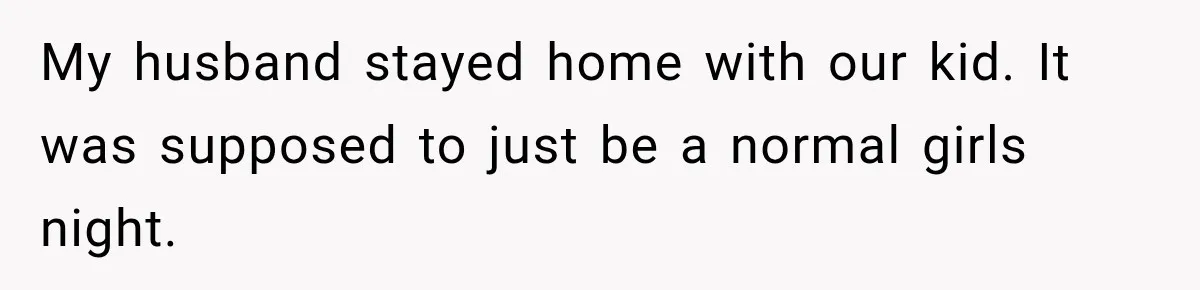
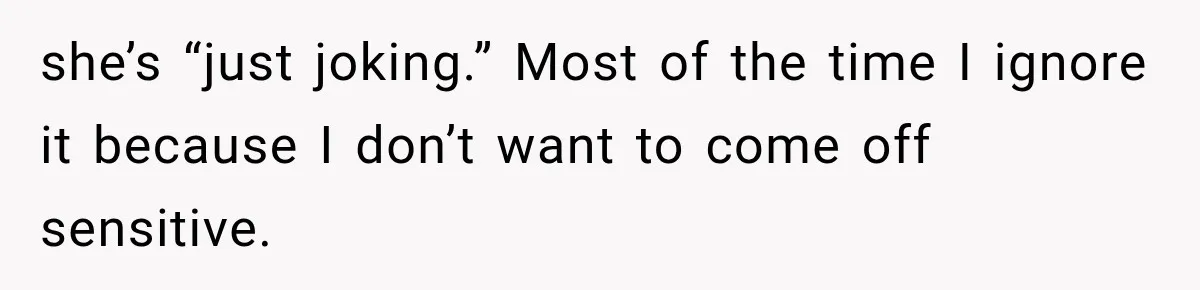
In this story, a 30-year-old married mother at a girls’ night dinner faces her friend Tara’s repeated “joking” comments: suggesting her husband is happy to get her out of the house, and implying quiet husbands often have side chicks.
When she confronts the rudeness, Tara doubles down with “hit a nerve?” The woman pays for her food and leaves.
The core emotional dynamics here involve boundary violation, emotional labor, and the pressure to tolerate disrespect for social harmony.
The woman has long ignored Tara’s pattern of cutting comments to avoid seeming sensitive.
This time, the “jokes” struck at her marriage and personal life in front of others, crossing from playful banter into public undermining.
Her decision to leave was a healthy assertion of self-respect rather than enduring further discomfort.
Tara’s follow-up text blaming her for “making drama” shifts responsibility, while the other friend’s suggestion to stay and “talk it out” reflects the common expectation that women smooth over conflict at personal cost.
A fresh perspective considers how “just joking” often serves as a shield for passive-aggression, particularly among women navigating marriage and motherhood.
Tara’s comments may stem from her own insecurities or observations, but delivering them publicly without regard for her friend’s feelings reveals a lack of empathy.
The woman’s exit wasn’t dramatic, it was proportionate to the disrespect. Staying would have rewarded the behavior and reinforced that her comfort matters less than group pleasantness.
Tara’s “jokes” were inappropriate, and leaving preserved her dignity rather than escalating into an argument.
The other friend’s response, while well-meaning, places the burden of emotional labor on the person who was targeted.
Realistic advice is to communicate your boundary clearly but calmly in future interactions:
“Comments like that about my marriage aren’t funny to me.”
True friends will adjust; others may reveal they value their humor over your comfort.
Here’s the comments of Reddit users:
These Redditors said OP are Not Wrong for leaving







 He Blamed Himself For His Sister’s Death For Years, Until He Finally Faced What Really Happened
















These users explained that people who say “I was just joking” after being told to stop are not joking











These commenters called Tara and Megan bad friends







A relaxed girls’ night turns sour when one friend repeatedly “jokes” about the husband being happy to get his wife out of the house and hints that quiet husbands usually have side chicks.
After being told it wasn’t funny, the friend doubles down with “hit a nerve?”, so the wife pays for her food and leaves.
“Just joking” often isn’t funny when it’s repeatedly poking at someone’s marriage.
Leaving after clear disrespect isn’t drama, it’s choosing peace over enduring more “humor.”
Do you think she was wrong for leaving instead of staying to “talk it out,” or was walking away the right call? Was Tara’s “joking” harmless banter, or was it crossing a line?
How would you handle a friend who hides mean comments behind “I’m just kidding”? Share your hot takes below!