
Childhood mistakes often stay with us far longer than anyone expects.
A single accident can replay in someone’s mind for years, especially when it happens to someone they love.
Even when everyone else seems to move on, guilt has a way of filling in the blanks with painful questions that may never have clear answers.
That is exactly what happened to this Reddit poster.
At just 12 years old, they accidentally dropped their infant sister while trying to hold her in the kitchen.
The family reacted, the baby eventually calmed down, and life appeared to return to normal.
But when something heartbreaking happened not long afterward, the poster began carrying a question that has haunted them ever since.
Scroll down to read the full story.
Childhood accident still haunts one man after his baby sister’s death
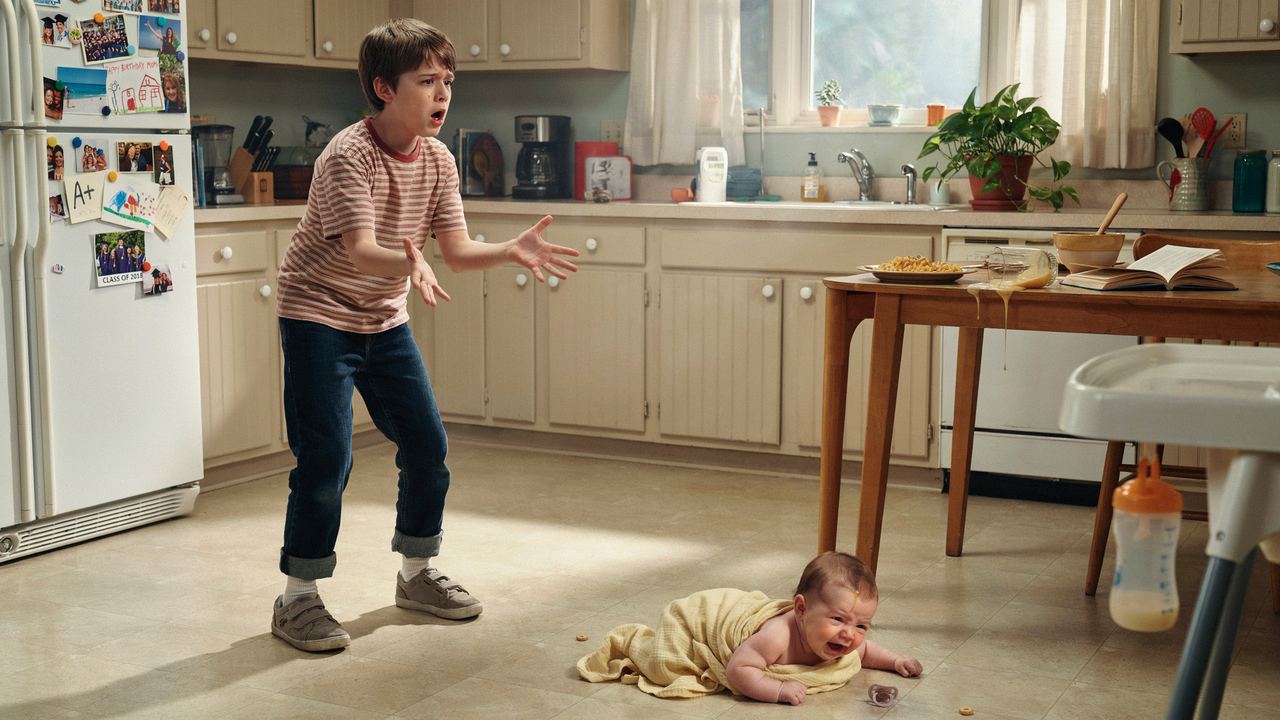














Some moments stay with people for decades, not because anyone keeps blaming them, but because they never stop blaming themselves.
Childhood mistakes often become lifelong burdens when they happen alongside tragedy.
Even after years have passed, the mind has a way of replaying a single memory, asking the same painful question: “What if it was my fault?”
In this story, the poster was only twelve years old, suddenly placed in a situation that many children are never prepared for.
Holding a restless infant without understanding how to support a baby’s body is not unusual for someone that age.
The accident was frightening, and the family’s immediate reaction likely reinforced the feeling that something terrible had happened.
Then, only two weeks later, the baby’s hospitalization and death created an emotional link that the poster’s young mind naturally connected.
Children often believe they have far more control over events than they actually do.
When a heartbreaking outcome follows an accident, guilt can become the explanation the brain clings to, even when medical facts point elsewhere.
While many readers focused on reassuring the poster that pneumonia caused the baby’s death, another perspective is worth considering.
The deepest wound here may not be the accident itself but the unanswered questions left behind.
Because the family shielded the children from the medical details, the poster never had the opportunity to fully separate coincidence from responsibility.
Human beings dislike uncertainty.
Psychologically, it often feels easier to carry guilt than to accept that some losses happen without anyone to blame.
Ironically, believing “I caused this” can create an illusion of control in a world where illness and death sometimes arrive without warning.
That insight changes how this story can be understood.
The poster’s memory is not simply about dropping a baby.
It is about a child trying to make sense of an overwhelming loss without the emotional tools or medical understanding to process it.
The compassion that readers feel today is the same compassion that twelve-year-old version never received from themselves.
Accepting that an accident happened does not require accepting responsibility for a death caused by pneumonia.
Perhaps the most meaningful lesson is that grief does not always disappear when the facts are clear.
Sometimes the hardest step is allowing ourselves to believe those facts.
Here’s what the community had to contribute:
These Redditors stressed the pneumonia was medically unrelated to the fall


















This group reassured the poster to forgive themselves and let go of the guilt










These commenters shared stories showing babies are often dropped and usually recover just fine


















The poster’s story touched many readers because it shows how a childhood accident can leave emotional scars that last for decades.
Most people agreed that a 12-year-old shouldn’t carry the weight of a tragedy that doctors attributed to pneumonia, even if those lingering doubts feel impossible to silence.
What do you think? Can someone ever fully let go of guilt after a heartbreaking loss like this, or are some questions destined to remain unanswered? Share your thoughts in the comments below.