
Growing up, many people assume the rules in their home are simply normal because they have never experienced anything different.
It is often only after getting older and comparing stories with others that they begin to realize some family dynamics are far from healthy.
The original poster (OP) has spent years feeling controlled by a mother who insists she has the right to dictate nearly every aspect of her daughter’s life.
What began as strict parenting gradually evolved into a pattern of increasingly invasive and controlling behavior, leaving the OP questioning whether her experiences were as alarming as they felt.
Hoping for an outside perspective, she shared her story online. Scroll down to read the full post.
18-year-old begins questioning her mother’s control after years of disturbing behavior

































































































 Boyfriend’s Mom Shows Up Unannounced To Inspect Woman’s Apartment And Demands House Rules Before He Moves In










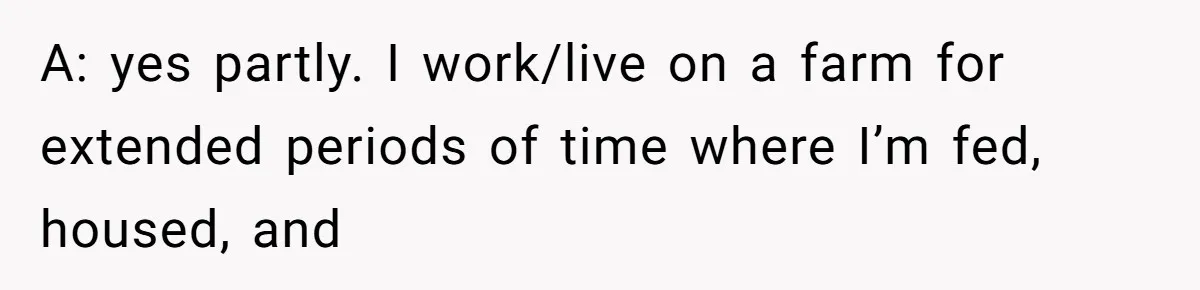











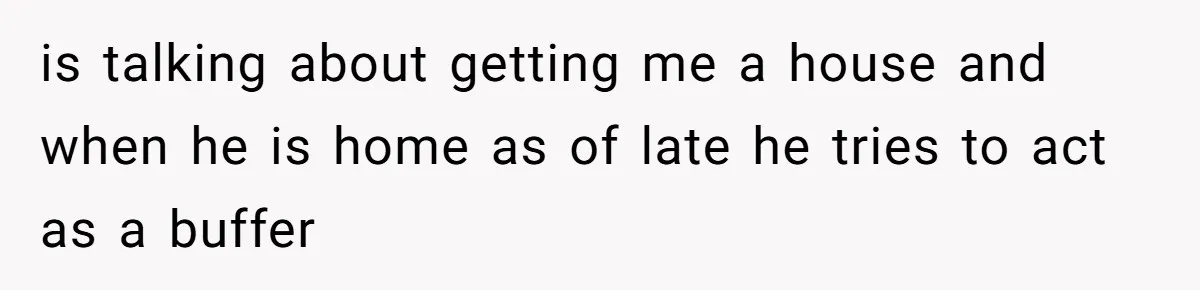


One of the most confusing realities of abuse is that it often hides behind the language of love.
When controlling behavior is repeatedly justified as protection, sacrifice, or parental devotion, children can grow up believing that violations of their privacy and autonomy are simply part of being loved.
It often takes years, and sometimes the perspective of others, for someone to recognize that what felt “normal” was actually deeply harmful. In this story, the young woman wasn’t questioning whether her mother loved her.
She was beginning to recognize that love does not give anyone ownership over another person’s body, choices, or identity.
The emotional dynamics reveal a pattern that extends far beyond strict parenting.
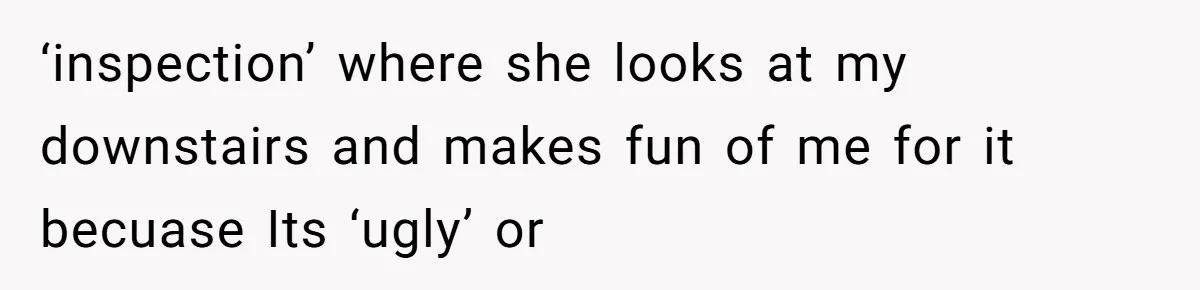
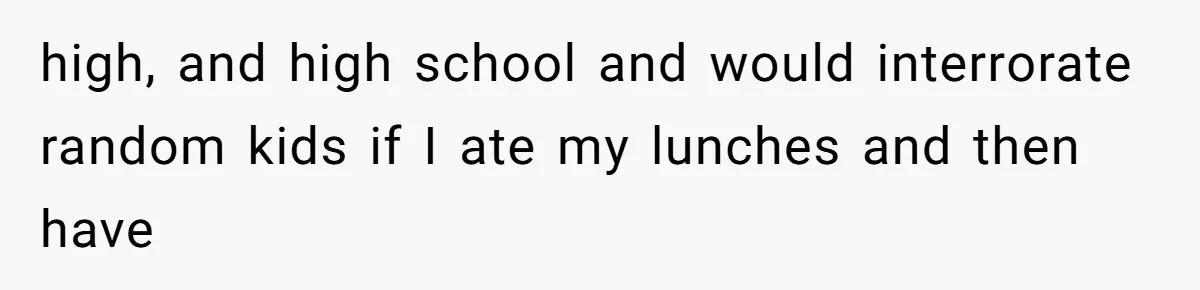
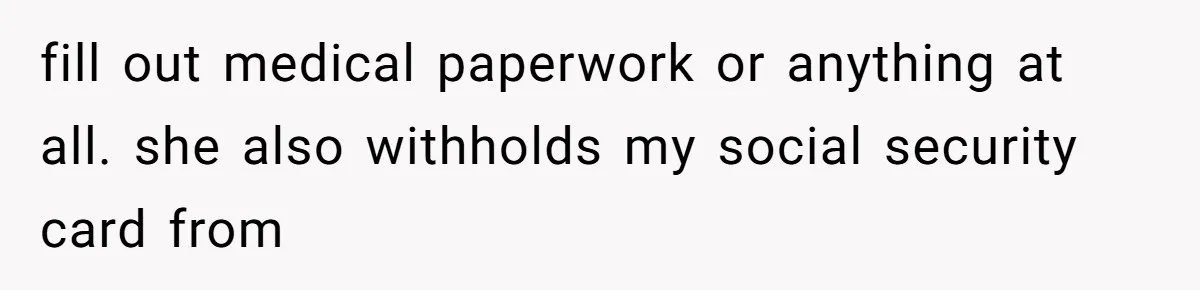
The mother’s behavior consistently ignored personal boundaries through forced physical contact, invasive “inspections,” controlling medical appointments, interference in relationships, financial control, and repeated statements that her daughter “owed” her because she gave birth to her.
Rather than encouraging independence as her daughter became an adult, she appeared to tighten control whenever autonomy increased.
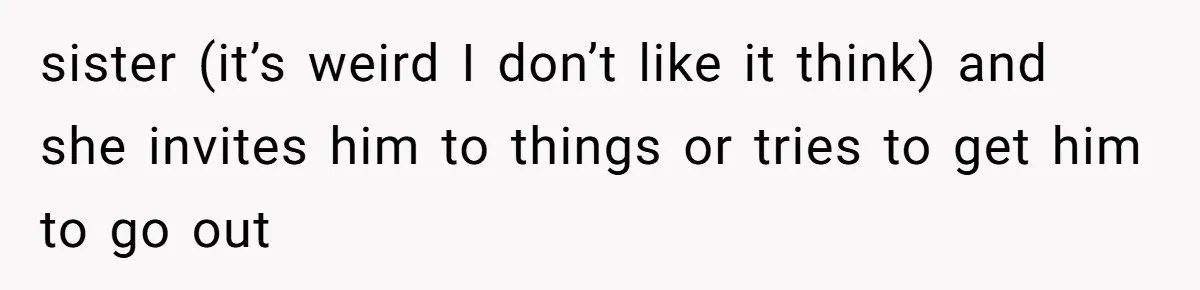
Meanwhile, the father’s efforts to create moments of safety and the support from trusted adults illustrate an important contrast: healthy caregivers help young people develop confidence and independence, while controlling caregivers often experience that independence as a personal threat.
The daughter’s growing awareness that these behaviors are not normal is an important psychological turning point.
A perspective that often gets overlooked is that coercive control is not limited to romantic relationships.
Mental health professionals increasingly recognize that parents can also use patterns of intimidation, guilt, surveillance, financial dependence, and bodily control to maintain power over an adult child.
These behaviors are often dismissed as “overprotective parenting,” especially when they occur within families that emphasize obedience.
However, the defining issue is not strictness, it’s whether the child’s autonomy is consistently respected.
A parent can love their child deeply and still engage in profoundly unhealthy behaviors if they view that child as an extension of themselves instead of a separate person with independent rights.
Viewed through that lens, the daughter’s desire to move out and establish firm boundaries is not an act of rebellion, it is a healthy step toward adulthood.
Her father’s efforts to help her build an independent life and the support of other trusted adults may become important protective factors as she creates distance from a relationship that has repeatedly ignored her autonomy.
Compassion for a parent’s own struggles does not require accepting ongoing violations of one’s dignity or bodily integrity.
Sometimes the most loving choice a person can make, for both themselves and their future, is to recognize that respect is not something they must earn.
It is something every person deserves from the very beginning.
Here’s what the community had to contribute:
These Redditors urged the OP to leave immediately








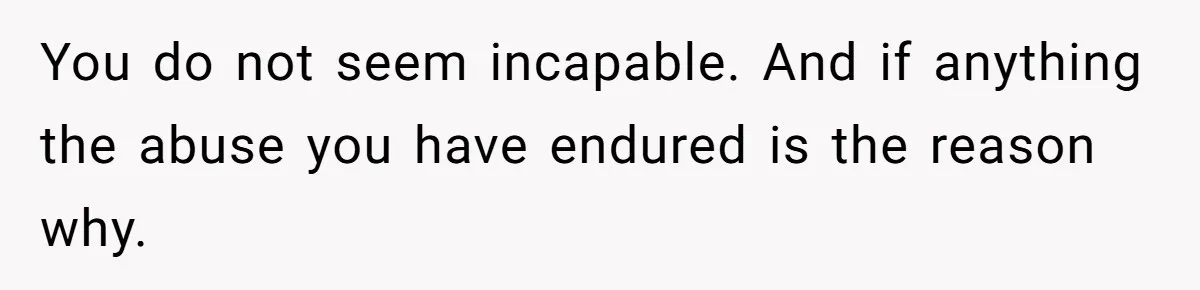











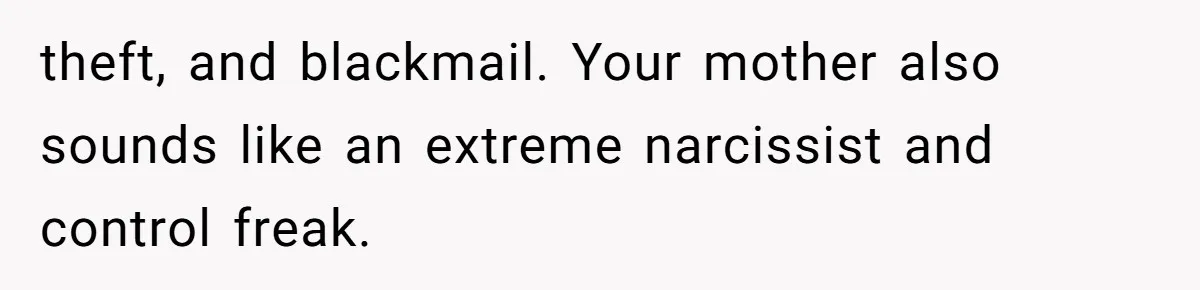
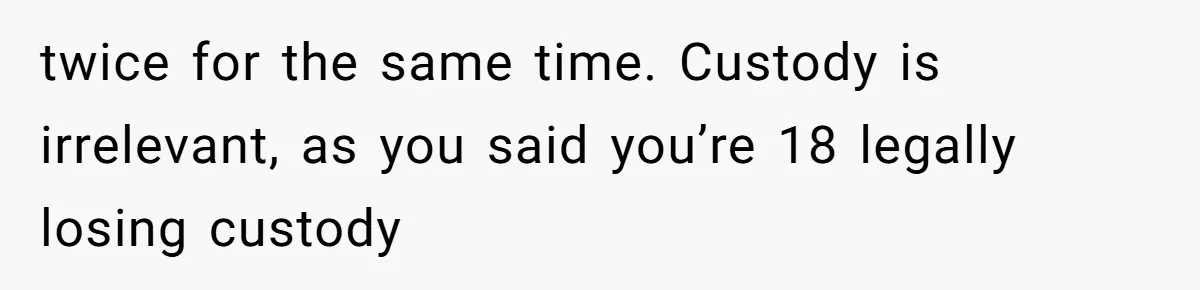
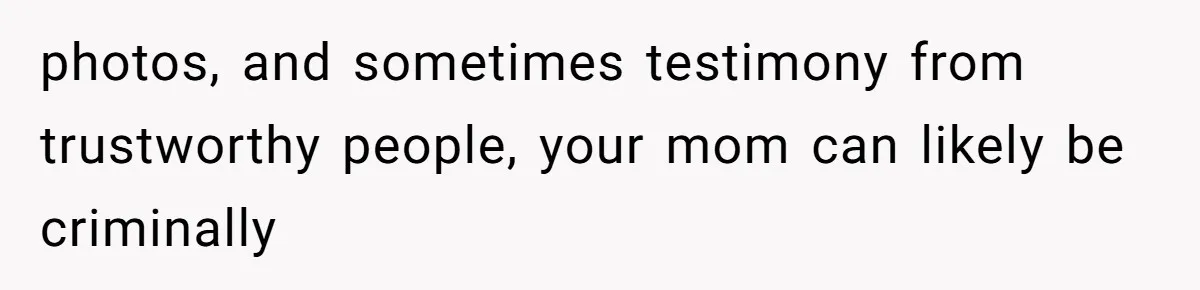
These commenters argued the mother’s actions involved theft and potentially criminal behavior





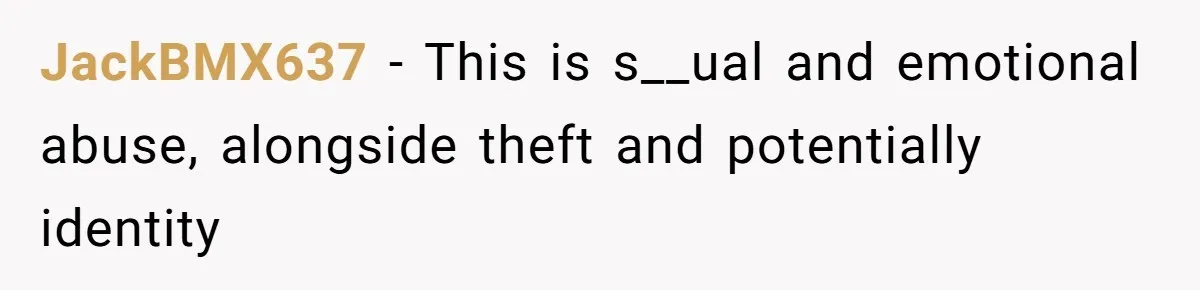






This group described the mother’s conduct as sexual abuse and encouraged reporting it















At its core, this story isn’t just about an overbearing parent, it’s about years of control, ignored boundaries, and a young adult trying to reclaim ownership of her own life.
If the OP’s account is accurate, many of the behaviors described go far beyond strict parenting and into deeply concerning territory.
Readers overwhelmingly sympathized with her desire to move out and create distance, while hoping she has a strong support system to help her do so safely.
Do you think the OP should cut contact once she’s able to leave, or is there another path forward? Share your thoughts in the comments below.